
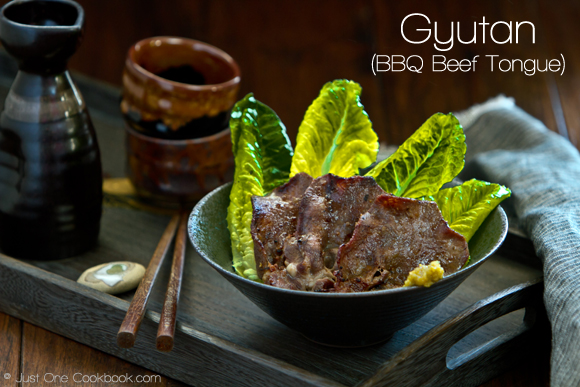
Gyutan | BBQ Beef Tongue
Hi everyone! My name is Nami, and I share quick and easy Japanese home cooking at my blog, Just One Cookbook.
I’m really excited to be here today to celebrate Lori Lynn (LL)’s 5 year anniversary for her blog! Congratulations LL! For the past year I’ve followed her blog and I’ve been continuously inspired by her beautiful and unique creations. Each week I am really excited every time I receive recipe updates from her. Working together in the food blogger community, she is someone special to me because I truly admire her culinary talents and magical photography skills. I feel very honored to be invited by her today for this special series of guest posts she’s having. Thank you LL!
The only request from her for this guest post was that I cook something exotic. For someone who is not familiar with Japanese food, it’s possible to think many dishes in Japanese cuisine can be exotic, such as sashimi (raw fish). Being a Japanese myself, I had to give it some thoughts and I finally came up with one, which might be too exotic for some readers.
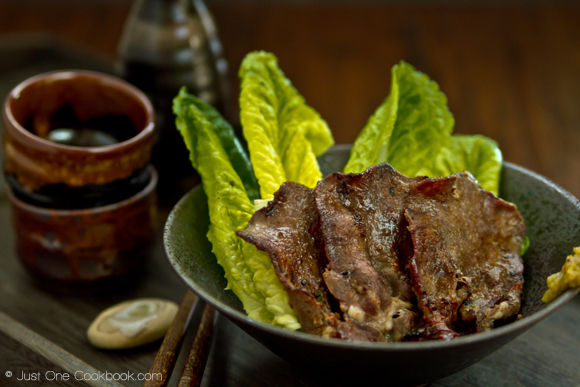
I prepared gyutan, which is grilled sliced beef tongue. Until I did a bit of research for this post, I didn’t know that beef tongue is used not only by Japanese cuisine, but enjoyed in many other cuisines such as American, Mexican, Romanian, German, Persian, English, Russian, Italian, Filipino, Korean and many more (source). I was very surprised when I found this out since I don’t typically see beef tongue on restaurant menus (except in Mexican Taquerias).
The Japanese word gyutan is a combination of the Japanese word for cow (gyu) and the English word tongue (tan). The region in Japan that first started to cook gyutan was Sendai and it was initially considered a rather unusual dish, but gradually gained popularity throughout Japan around 1950s.
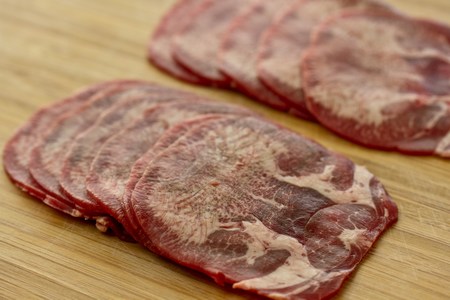
Gyutan
Gyutan is one of the popular item to order at yakiniku (Japanese barbecue) restaurants. We usually grill these thinly sliced beef tongue and flavor it with salt. However, the way my husband and I like to eat gyutan is with yuzu juice and yuzu kosho (citrus pepper).
Yuzu is a citrus fruit fondly used for many Japanese dishes and desserts. We use the aromatic zest is for garnishing and its juice for seasoning. It’s quite hard to find fresh yuzu fruit, so I get this yuzu juice bottle from a Japanese supermarket.

Yuzu Juice
Yuzu kosho is a fermented paste made from chili peppers, yuzu peel, and salt. We use it for flavoring yakitori (Japanese grilled chicken), udon soup, tempura, sashimi, and Japanese hot pot. Yuzu kosho may come in a jar or in a small tube container.
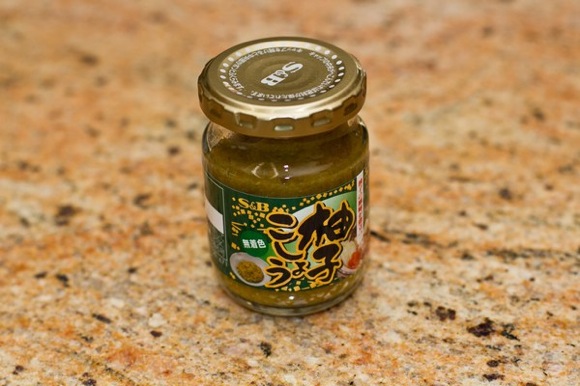
Yuzu Kosho
Both yuzu juice and Yuzu kosho gives nice tart and spicy kick to the gyutan and it adds a level of sophisticated flavor which is difficult to replicate with other spices. Another favorite to enjoy sliced gyutan is to just simply sprinkle with a bit of salt and pepper, barbeque and dip in lemon sauce. Gyutan burns and catches fire very easily when you barbeque so be careful while you cook.
Thank you everyone for reading this post. LL, thank you so much for having me and best wishes for your excellent blog!
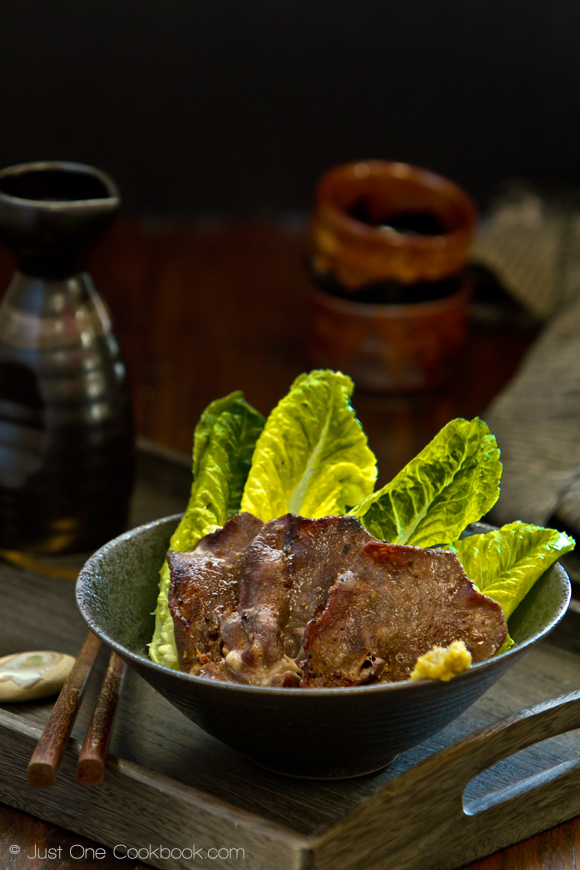
Barbecue Beef Tongue with Yuzu Kosho
Prep Time: 5 minutes
Cook Time: 5 minutes
Yield: serves 2 as appetizer
Ingredients:
1/4 lb beef tongue slices (you can purchase it in Japanese supermarket)
Seasonings:
1 Tbsp. yuzu kosho (each brand of yuzu kosho has different in spices, please adjust)
1 Tbsp. soy sauce
1/2 Tbsp. sake
1/2 Tbsp. sesame oil
1/2 tsp. yuzu juice (or lemon juice)
1/8 large onion (optional)
Freshly ground black pepper
Note:
All ingredients used in today’s recipe can be found at your local Japanese supermarket.
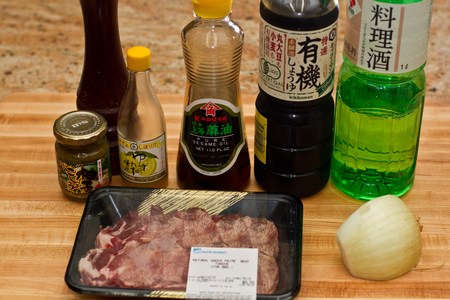
Directions:
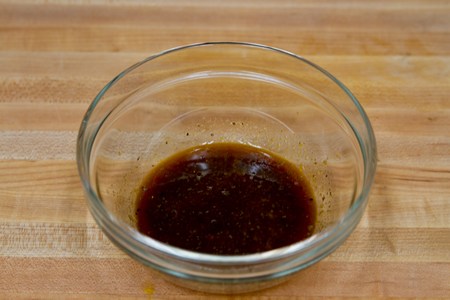
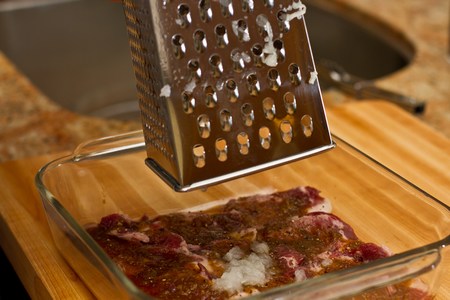
1. Combine all the seasonings in a small bowl and whisk together.
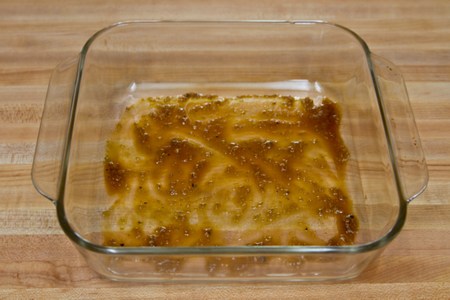
2. Spread the sauce on the container.
3. Spread the beef tongue without overwrapping each other and pour the rest of the sauce on top.
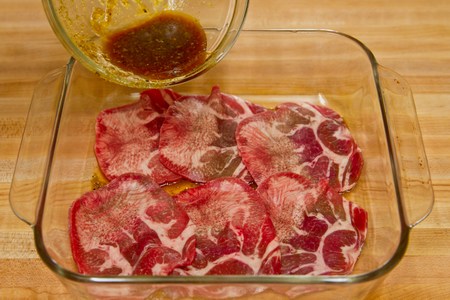
4. If you like, you can grate onion on top and marinade the beef tongue for at least 30 minutes. Do not over marinade since the tongue will become too salty.
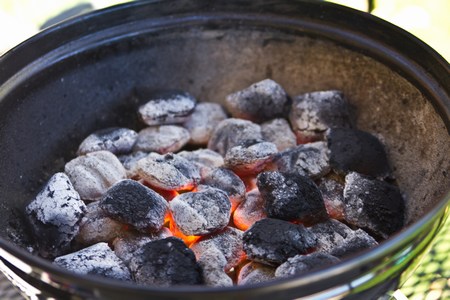
5. Start the grill, preferably over charcoal.
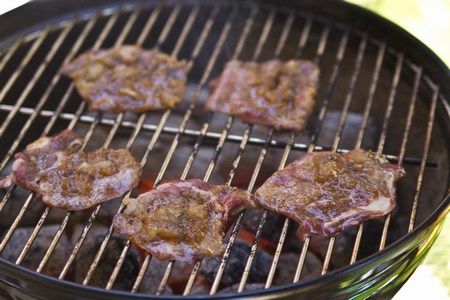
6. Grill on high heat for 1-2 minutes.
7. Flip the meat and cook for another 1-2 minutes. Serve immediately with small amount of yuzu kosho on the side.
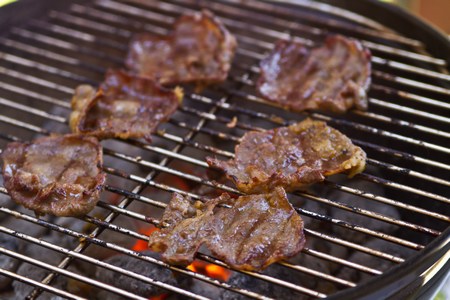
Enjoy!
☆ Taste With The Eyes is 5 Years Old ☆
I’m just thrilled to have 5 extraordinary blogger friends help me celebrate this milestone anniversary with Guest Posts on Taste With The Eyes. Please welcome them in the coming weeks as they share their own unique and magical art of cuisine, photography, and watercolor painting.
☆ Just One Cookbook ☆
Today it is my absolute pleasure to welcome Nami, her terrific blog captured my attention over a year ago and I have been a devoted fan ever since. Recently she taught us how to prepare eel and how to purchase it here in the states. Eel is now on my shopping list. Additionally, I adore Nami’s travel posts, her recent trip back to Japan with her family is so delightful to experience – with breathtaking photos and a heart-felt narrative.
We also share a love of yuzu. I planted a yuzu tree in my garden a few years back, and it is doing quite well. So I promise here and now to ship a crop up to Nami in Northern California as soon as the fruits are ready in the late Fall.
Thank you Nami, your blog is a treasure and it is my honor to know you and my pleasure to have you share your BBQ Beef Tongue recipe on Taste With The Eyes. Can’t wait to serve it at my next dinner party! And no, it’s not too exotic, it’s fabulous! Arigato gozaimasu my friend.
Toujours Bon Appétit,
Lori Lynn
5 Fabulous Blogger Friends in Honor of 5 Years of Blogging
Just One Cookbook – Nami, San Francisco
“Quick and Easy Japanese Home Cooking”
Foodalogue – Joan, Palm Beach County, Florida
“Meandering Meals, Musings + Travel”
Merisi’s Vienna for Beginners – Merisi, Vienna
“A Daily Melange of Virtual Postcards from Vienna”
Proud Italian Cook – Marie, Chicago
“Home Cooking, Italian American Style”
Paris Breakfast – Carol, Paris/New York
“I Paint Paris Dreams…”
Discover more from Taste With The Eyes
Subscribe to get the latest posts sent to your email.
Oh, Nami – this is fascinating! I had no idea that beef tongue could be marinated and barbecued!! Now, where to get this yuzu kosho!!! You say you were not aware how many other countries love this body part – well, being born in Estonia this was my favourite, my very favourite protein as a child. My parents could get me to do anything as long as I was promised this as a treat! But we slowly boiled it with Northern European aromatics for about 3 hours, then skinned it whilst still hot [ouch!!] – to me it was manna from heaven with potato mash and lingonberry preserves! I have continued to have it here in Australia and now I have a new recipe to try thanks to your lovely guest post!!
Hi Eha! I actually don’t know how else to eat beef tongue besides BBQ. 🙂 It has a lot of fat so BBQing is good to get rid of the oil, but I’d love to have some beef tongue cooked other way. Thanks for your kind comment. 🙂
Nami – let’s face it, all offal [liver, brains, sweetbreads, kidneys etc] has a high fat %! This is the main reason it is off so many people’s menus. I am certain the BBQing does take care of much of that and this is why I would love to try it this way. I am just surprised that such a tough meat can be cooked so quickly. When one boils it [not that I am fond of cooking things in water generally] very slowly for a long time, one gets an almost buttery, soft consistency and the flavour is strong enough to carry the dish. Perhaps we can compare this to cooking an octopus: either it is a job of a few minutes or one braises it Greek-style for over an hour? 🙂 !
BBQing beef tongue is very quick and if you cook it too long, it will burn because so much oil will come out. It’s a quick bbq. Japanese uses thinly sliced meat (you see picture above), and maybe that’s why? The meat is not hard at all, and even my small kids can eat it. 🙂 It has a nice char flavor and my husband loves it with beer. 🙂
Namiko dearheart, you don’t have to convince me to try this! I most assuredly will – love new ways, have loved Japanese cooking since I first visited. I looked up my Estonian, Finnish and Swedish cookbooks: all basically have the same recipe: bring whole ox tongue to boil with water to cover, skim, add some black peppercorns, couple of allspice, 1-2 bay leaves, a few cloves, 1 whole onion, 1-2 scraped carrots per quart of water used – bring to boil, cover, simmer 2 1/2 – 3 hours until a toothpick inserted at root end goes in easily. Drain, peel whilst still quite hot – eat hot with mustard or a cooling cucumber sauce, or use it for brilliant sandwich filling 🙂 ! Start slicing at root end on the diagonal and don’t make the slices too thin 😀 !
Mighty scrumptious! A great guest post by a wonderful blogger.
Cheers,
Rosa
Thanks Rosa for your kind words. 🙂
That is a very interesting recipe!
The sliced beef tongue, in the picture where you start marinating it, reminds me of vinegared ox muzzle (salade de museau à la vinaigrette) that is available at butcher’s shops and delis here.
Thank you Merisi! 🙂