Matzah and Haroset

Matzah and Haroset

Matzah and Haroset
🫓 🫓 🫓 🍎 🍎 🍎

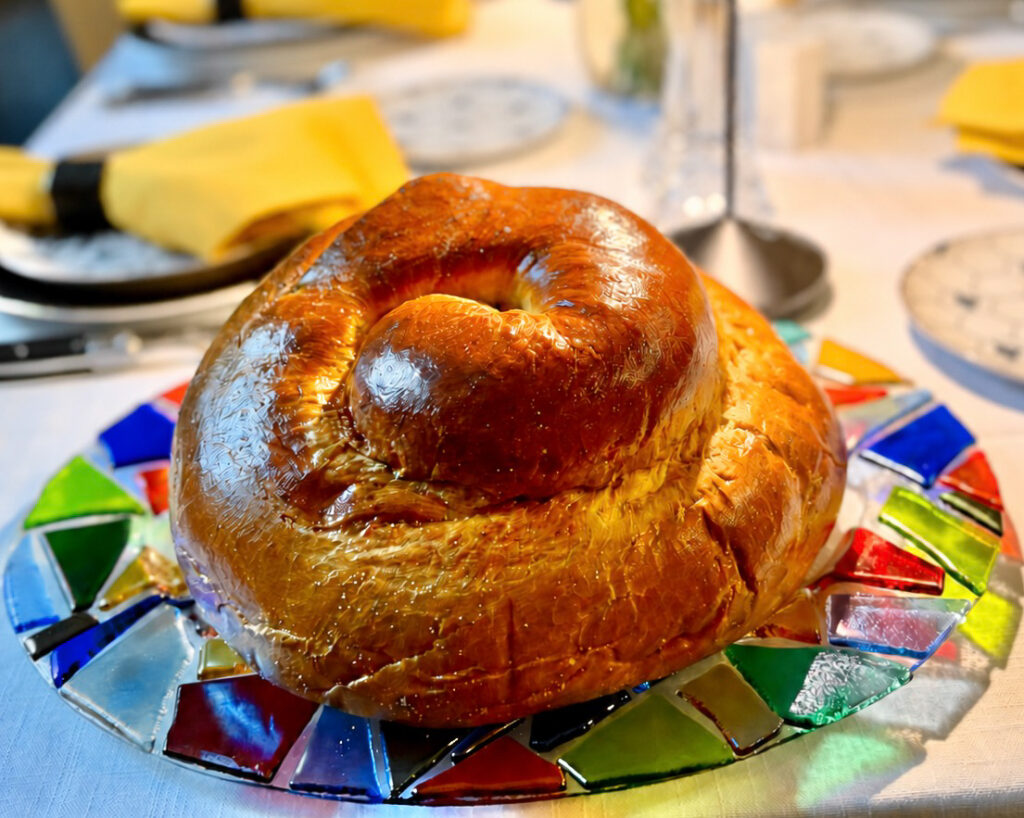
Each year at Passover, we journey in our hearts from slavery to freedom, from sorrow to joy. Through foods steeped in meaning, we are compelled to experience that journey, just as our ancestors did over 3,000 years ago. Among the symbolic foods on our table are matzah and haroset.

This year, we served special handmade shmura matzos baked in Israel, certified to the highest kosher standards. (Thank you, Rich!) Shmura matzah—“watched” matzah—is carefully supervised from wheat harvest to baking to ensure it stays completely unleavened, making it the most authentic choice for Passover.

It is known as “the bread of affliction that our ancestors ate in the land of Egypt,” reminding us of a life shaped by hardship—plain, quickly made, and born of necessity. Yet that same flatbread takes on new meaning at the moment of liberation. As we prepared to leave Egypt, there was no time for dough to rise. What we baked in haste became the bread we carried into freedom, marking the urgency and immediacy of our departure. These two meanings—affliction and haste—are intertwined. Matzah is both the bread of our suffering and the bread of our redemption.

Matzah and Haroset

Haroset, another essential food on our Seder table, is a sweet, spiced fruit and nut mixture that carries its own story. Its coarse texture and reddish-brown color evoke the bricks and mortar we labored over as slaves, shaping and stacking them to build Pharaoh’s cities. Its sweetness reflects the joy we felt the moment Pharaoh finally freed us from slavery, following God’s sending of the tenth plague.

Here, I’m sharing my sister-in-law’s recipe, a cherished family favorite that brings both delicious flavor and tradition to the table. (Thank you, Kristy!)

Haroset Recipe
🍎 🍋 🍷 🍯

Continue reading “Matzah and Haroset”

Gochujang Jjigae – A Spicy Vegan Stew

Gochujang Jjigae - A Spicy Vegan Stew

Gochujang Jjigae – A Spicy Vegan Stew
🍲 🌶️ 🥬 🥔 🍲
With Collards, Potatoes, and Tofu

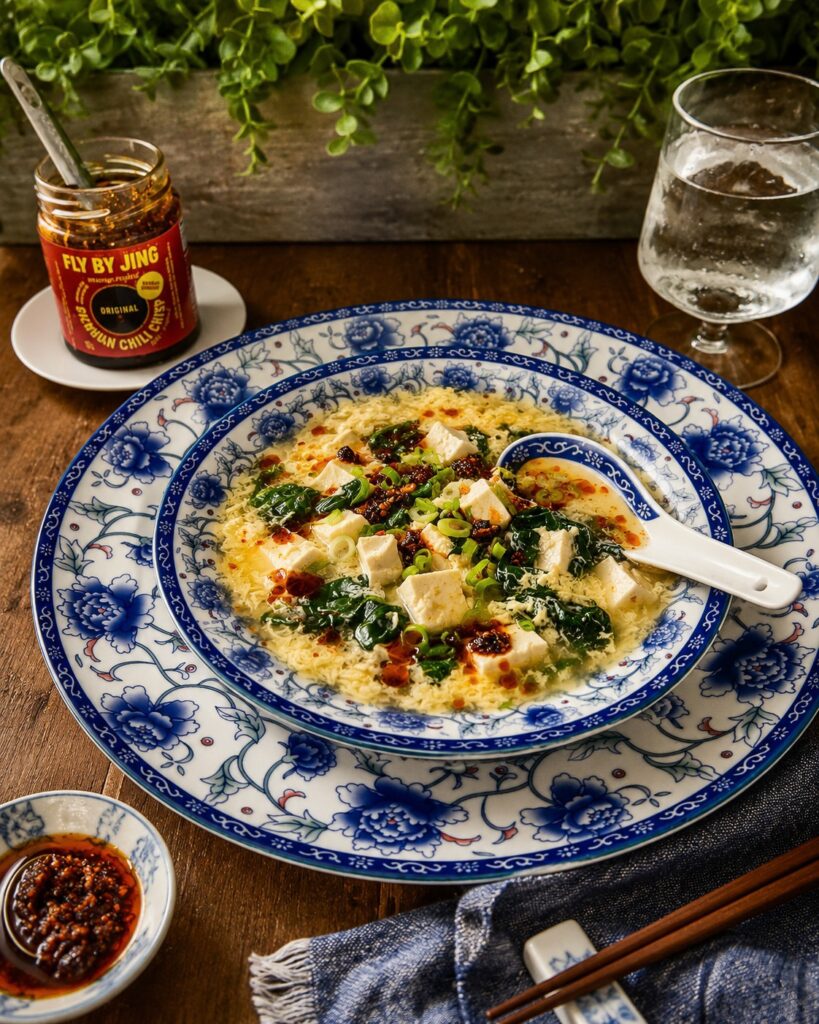
Gochujang jjigae is a classic Korean stew, brimming with bold fermented flavors, tender vegetables, and usually some type of protein—meat, seafood, or tofu.

Traditionally, Korean stews rely on leafy greens like napa cabbage, radish greens, or spinach, but in this version, I’ve added collard greens. They aren’t commonly found in Korean cooking, yet their sturdy leaves and mild brassica flavor make them surprisingly compatible with the rich, spicy broth.

Collards soften beautifully during simmering while contributing a subtle sweetness that balances the depth of the gochujang and doenjang. They also hold their shape well, giving each spoonful a satisfying bite. Beyond flavor, collard greens are packed with vitamins K, A, and C, along with fiber, calcium, and antioxidants, making this stew not only comforting but nourishing as well.

Tender potatoes add body to the stew, while tofu soaks up the spicy, savory broth, creating a hearty, well-rounded dish. Finished with a drizzle of toasted sesame oil, a sprinkling of scallions, and a few grinds of black pepper, this gochujang jjigae is a vibrant, warming bowl that’s perfect served alongside steamed white rice. It’s a simple, vegan-friendly way to experience bold Korean flavors with an unexpected leafy green twist.

Vegan Gochujang Jjigae Recipe

Continue reading “Gochujang Jjigae – A Spicy Vegan Stew”

Foraged Hedgehog Mushroom Fried Rice

Foraged Hedgehog Mushroom Fried Rice

Foraged Hedgehog Mushroom Fried Rice

🍄‍🟫🌲🍄‍🟫🌲🍄‍🟫

Peas, Carrots, Egg, Garlic, Ginger
Sherry, Soy Sauce, Sesame Oil, Oyster Sauce
Peanuts, Scallions, Cilantro

When a box of freshly foraged hedgehog mushrooms arrives from coastal California, still carrying the scent of pine and damp earth, they deserve more than a quick sauté.

Their meaty velvety texture and nutty woodsy flavor shine in this fried rice recipe, where they are carefully browned and deglazed with sherry before joining tender carrots, sweet peas, and fluffy scrambled eggs. Each bite balances the earthy mushrooms, enhanced by toasted peanuts, fragrant cilantro, and brown rice seasoned with soy sauce, oyster sauce, and toasted sesame oil.

Foraged Hedgehog Mushrooms Video

Hedgehog mushrooms are easy to recognize thanks to the tiny, soft “teeth” beneath their caps instead of gills, a distinctive feature that makes them approachable even for those new to foraging wild mushrooms.

These particular hedgehogs were foraged along a fire road at the south end of Fort Bragg, California, where cool air, fog, and seasonal rains create ideal growing conditions.

Hedgehog mushrooms range from pale cream to soft apricot and light orange, with slightly wavy caps and dense, sturdy flesh. They grow on the forest floor (see video) near oak, pine, and fir trees, usually scattered along trails and clearings rather than in tight clusters. Their main season runs from fall through early winter.

How to cook Hedgehog Mushrooms

Hedgehog Mushroom Fried Rice Recipe

Continue reading “Foraged Hedgehog Mushroom Fried Rice”

Elegant Plant-Based Starter: Tofu “Scallop” with Saffron “Cream”

Elegant Vegan Starter: Tofu "Scallop" with Saffron "Cream"

Seared Tofu “Scallop”
Black Bean Spaghetti & Saffron “Cream”

Whether you’re planning a plant-based menu or serving something decidedly traditional—say, a roast or prime rib—this seared tofu “scallop” makes an elegant and surprising first course. It delivers the visual drama and satisfying sear of a classic scallop, with tofu transformed into something unexpected.

A single block of firm tofu, which can be turned into eight “scallops,” costs under $3—compared with an average of $44 for the same number of high-quality U‑10 sea scallops. Far more economical than those large restaurant-style scallops, tofu is a clever and delicious choice for entertaining on a budget.

Paired with little nests of gluten-free black bean spaghetti, the dish often wins over even devoted carnivores. The saffron “cream” brings warmth and cohesion to the plate, its golden color and aroma immediately evocative. Saffron lends a subtle floral sweetness and gentle earthiness that unfolds on the palate. Finished with nutritional yeast for savoriness, the sauce coats the spaghetti beautifully, echoing the elegance of a classic cream sauce—luxurious in feel, yet entirely plant-based.

Plant-Based First Course Recipe

Continue reading “Elegant Plant-Based Starter: Tofu “Scallop” with Saffron “Cream””

Nashville Hot Latkes (Potato Pancakes)

Nashville Hot Latkes (Potato Pancakes)

Nashville Hot Latkes
Coleslaw, Horseradish Sour Cream, Pickle Chips

On the first night of Hanukkah, Nashville Hot Latkes made their debut. By the last night, they were so popular they had to make a comeback.

Nashville hot chicken has its roots in African American kitchens in Tennessee, where fried chicken is famously finished with a fiery paste of cayenne, spices, and hot oil, then served atop white bread with pickles to temper the heat.

What began as a local specialty grew into a national obsession because of that unmistakable contrast: crackling crispness, deep savory flavor, and heat that builds and lingers. The final brush of spiced oil isn’t just a garnish—it’s the defining moment, delivering the intensity that makes Nashville hot chicken so addictive.

Nashville Hot Latkes (Potato Pancakes)

Using fried latkes in place of chicken at Hanukkah takes that same spirit in a playful, unexpected direction. Crisp-edged and tender inside, latkes are a natural canvas for bold seasoning.

Nashville Hot Latkes (Potato Pancakes)

Served just like the original—with cool, crunchy coleslaw and sweet-tangy pickles—the heat feels intentional and balanced. For a more traditional nod, a side of horseradish sour cream echoes the way latkes are classically served, adding a creamy, bracing counterpoint. These latkes are spicy—no apologies there—but that’s exactly the point.

Nashville Hot Latkes Recipe

Continue reading “Nashville Hot Latkes (Potato Pancakes)”