Hanukkah Brisket Tamales

Hanukkah Brisket Tamales

Sending my warmest wishes to you at Hanukkah
May you be blessed with joy, good health, peace, and tender brisket….
Hanukkah Brisket Tamales

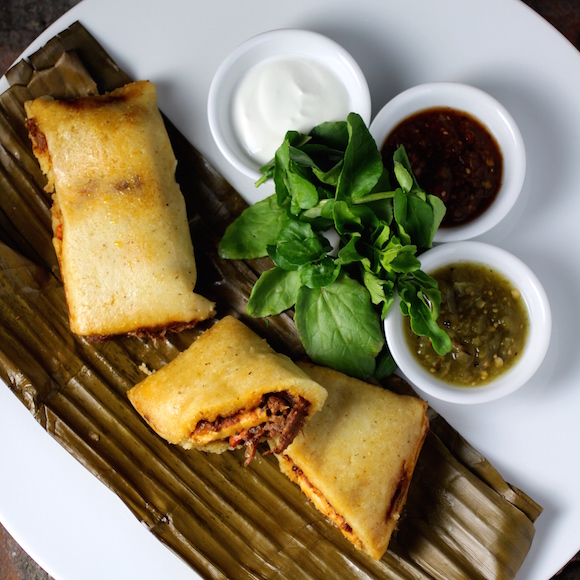
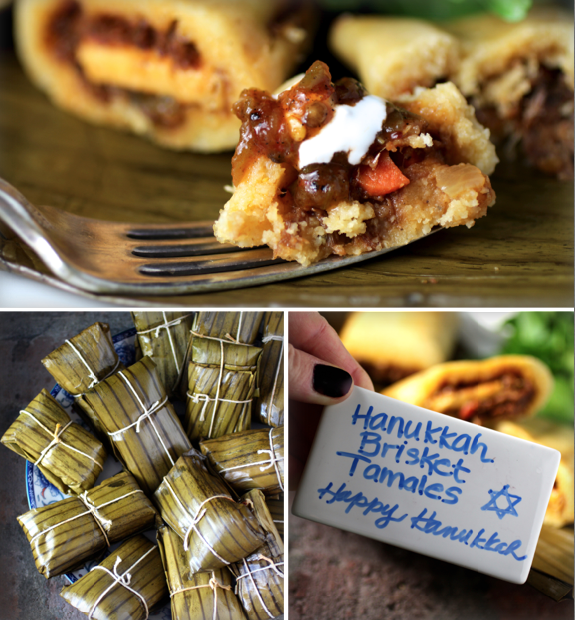
Oh how we adore our brisket. And since the cooking process takes over eight hours, I usually make enough for leftovers and extra to freeze for later too. This year – the intersection of Hanukkah, brisket in the freezer, spying some mouth-watering tamales at LA’s Grand Central Market, and a tamalada (my Latino friends’ traditional Christmas season tamale-making party) – led to a unique holiday treat…Hanukkah Brisket Tamales. Made with my super-tender beef brisket, from a recipe that we have been making for many years. It is so good it’s one of the few recipes that I never adjust. The addition of carrots sautéed in olive oil and seasoned with a bit of cumin, salt and pepper plus a medley of sautéed onion and jalapeño adds fresh flavor and spiciness. The (optional) gouda cheese brings another dimension of smokiness and creamy texture. And lastly, who could resist the adorable little packages all wrapped up like a present, representing the age-old Jewish custom to give gifts of gelt to children on Hanukkah.

Note: Omit dairy or replace with non-dairy vegan substitutes for your Observant guests who follow the laws of kashrut (Jewish dietary laws).

Hanukkah Brisket Tamales Recipe
Continue reading “Hanukkah Brisket Tamales”

Shrimp and Carrot Salad, Ají-Soy-Limón Dressing

Peruvian Shrimp and Carrot Salad, Aji Amarillo Soy Limon Dressing

Shrimp and Carrot Salad
Okra, Cherry Tomato, Red Onion, Caperberry, Feta, Nasturtium
Ají Amarillo Soy Limón Dressing

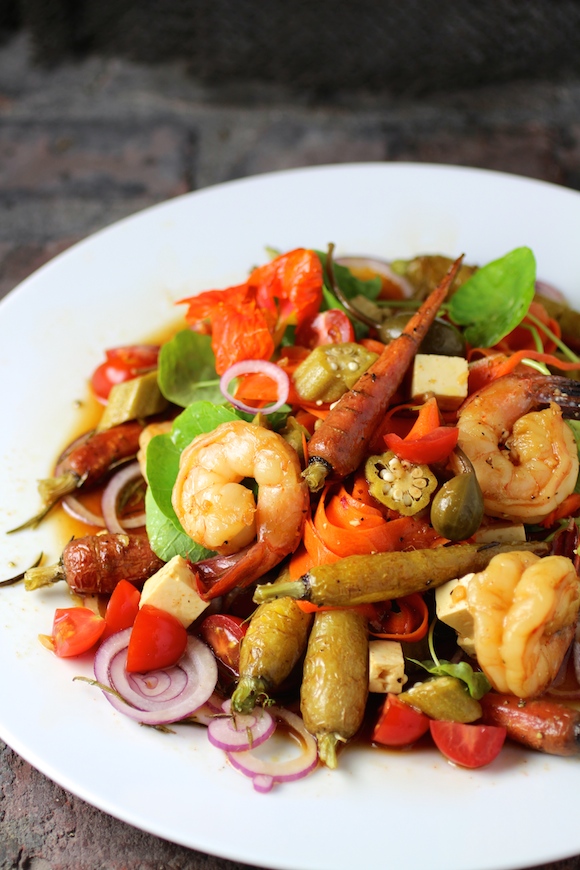
Colorful baby carrots and my tree bursting with key limes became the source of inspiration for this sprightly salad. Carrots and limes have a curious affinity for one another. Key limes, called limones in Peru are used extensively in Peruvian cuisine. I mix the lime juice with ají amarillo paste and soy sauce to make the refreshing dressing. Ají amarillo, a yellow-orange Peruvian chile pepper is simultaneously spicy and fruity. Just a couple teaspoons of the paste gives the dressing its zing and along with the shrimp and carrots paired with feta, okra, onion, and tomatoes – the result is a really zesty salad with piquant Peruvian flair.

Peruvian Shrimp and Carrot Salad Recipe

Continue reading “Shrimp and Carrot Salad, Ají-Soy-Limón Dressing”

Abalone Cove Grand Re-Opening

Abalone Cove Grand Re-Opening
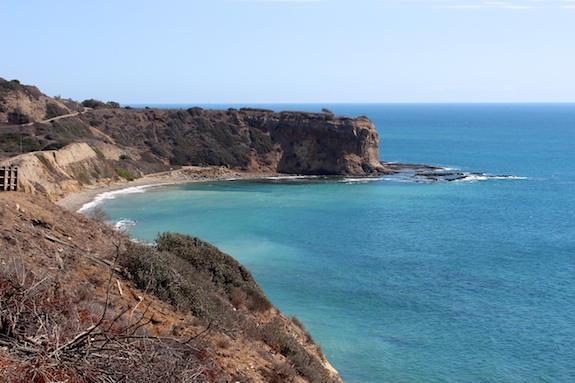
Sacred Cove and Inspiration Point, Rancho Palos Verdes, California

The Palos Verdes Nature Preserve (PVNP) has over 30 miles of trails through rolling hills, steep canyons and rock outcrops, with significant habitat and spectacular views of the Pacific Ocean and Catalina Island. Elevations range from approximately sea level along the coastal edges of Vicente Bluffs, Abalone Cove, and Ocean Trails to approximately 1,300 feet above mean sea level.

The Abalone Cove Ecological Reserve (64 acres located within the PVNP) features two beaches  – Abalone Cove and Sacred Cove, tide pools, beautiful bluff-top viewing areas, and dramatic crisscrossing trails. Two promontories, Portuguese and Inspiration points, frame Sacred Cove with its sea caves, black sand, and rare plants. (from www.pvplc.org)

I was thrilled to have been invited by Palos Verdes Peninsula Land Conservancy to the Volunteer Recognition and Abalone Cove Grand Re-opening and to join in celebration of the volunteers’ dedication and commitment to PVPLC’s programs. It is my honor to provide photographic documentation of fund-raising events such as the PV Pastoral Garden-to-Table Dining Experience and to participate in the popular White Point Home Tour.

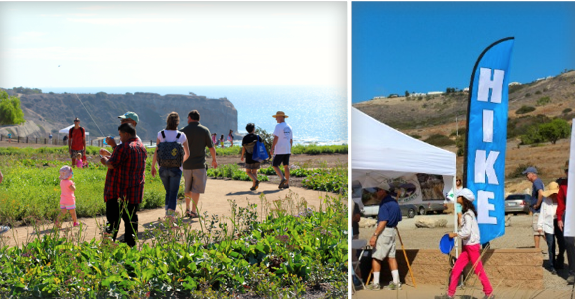
After over two decades without any major improvements, Abalone Cove Shoreline Park was in need of renovation. A state grant helped fund the improvements including paths and trails, signage and interpretive panels, landscaping, picnic areas, benches, and binocular stations. The Grand Re-Opening festivities held on October 25th included nature walks, food trucks, a beer garden, kite exhibit, native plant workshop, en plain air demonstrations, Art To Grow On, a pop-up library, and more!

Abalone Cove Grand Re-Opening
HIKE

Come take a hike around our newly restored Abalone Cove with me!

Continue reading “Abalone Cove Grand Re-Opening”

Malted and Salted: Milk Chocolate Pots de Creme

Malted and Salted: Milk Chocolate Pots de Creme

Malted & Salted:  Milk Chocolate Pots de Crème

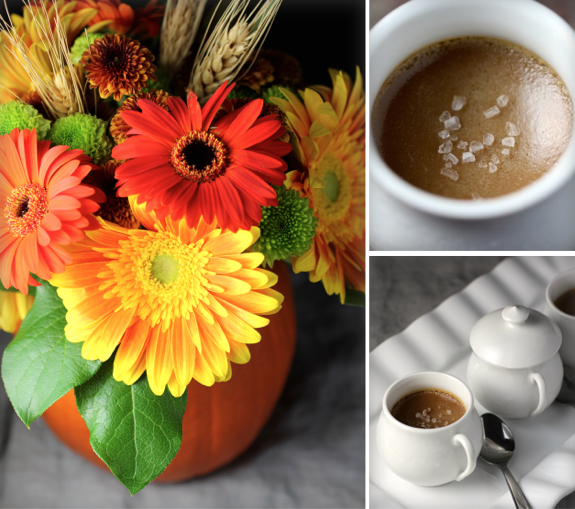
The term “Petits Pots de Crème” refers both to a soft baked custard and to the small ceramic pots, often with lids, that they are baked in. The dainty authentic petits pots pictured above were made in France. They belonged to my grandmother-in-law, Evelyn Dawn. While I only have six porcelain petit pots, and am cooking for a crowd, I supplement my collection with espresso cups.

Pots de Crème are a fabulous dessert to serve at a diner party. They look adorable, are impossibly rich and velvety, and petite enough to be elegant and sophisticated. Adding malted milk powder to a supremely French dessert gives this version an unexpected light-hearted twist. And as a bonus, they are prepared a day ahead. Just add the quick garnish of fleur de sel and/or malted milk balls, and they are ready to go.

Malted milk powder was invented by James Horlicks in 1883. It is a combination of sprouted grain that is quickly dried (barley malt) then ground up and added to powdered milk and wheat flour. It was originally meant as a nutritious non-spoiling supplement for babies’ diets, but gained popularity among explorers who found it portable as well as tasty…and became a hit at soda shops all around the country when added to ice cream to make a “malt” and as a candy marketed as “malted milk balls.”

Pots de Crème Recipe

Continue reading “Malted and Salted: Milk Chocolate Pots de Creme”

My Interview with Chef Sam Choy on Sustainability and Poke!

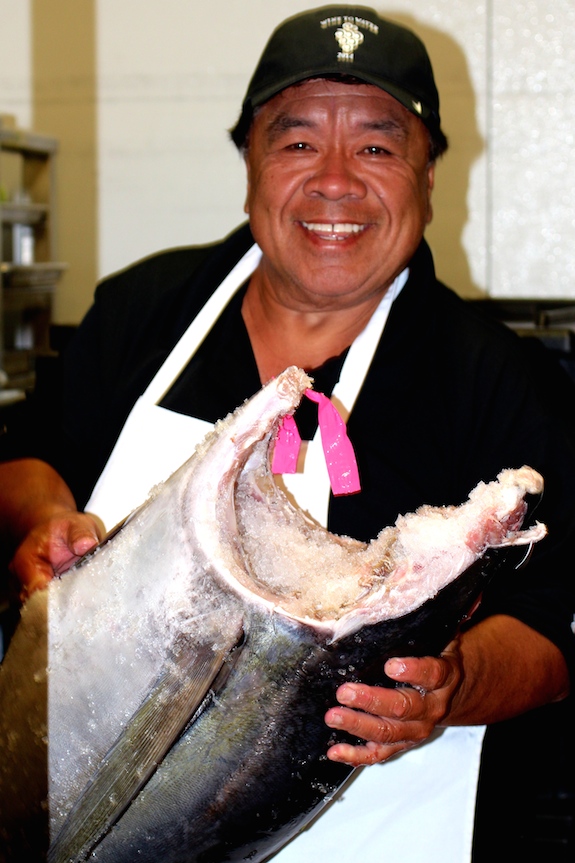
Chef Sam Choy and Sustainable Ahi

Born and raised in Hawaii, Chef Sam Choy explains how the islanders would watch the old Hawaiian “landkeepers” take care of the environment, and how they would embrace the magic of kapu.

Kapu represents a period of time when there is no fishing, no taking from the earth. “It is when we leave the earth time to replenish itself,” Choy said. “If we keep depleting, there will be nothing left for our great great grandkids. We need to protect. We need to care. We want them to have what we are enjoying.”

Choy’s philosophy has always been like that – protecting, caring. He lives that way, he says. Keeping the ocean pristine and vibrant, allowing the nature of the ocean to be plentiful. “Living in Hawaii, you have to believe in that, we are surrounded by water, after all.”

sustainable seafood

This post is the third in a series promoting sustainable seafood.

Sam Choy’s Bow-tie Mahimahi Salad

Crusted Ahi with Roasted Garlic Tahini

Continue reading “My Interview with Chef Sam Choy on Sustainability and Poke!”