
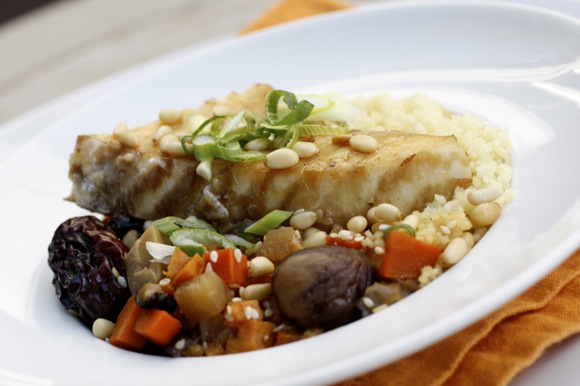
Braised (sustainable) Halibut Tagine
Wild Alaskan Halibut Steak
Served over Couscous
Chestnut, Asian Pear, Dried Jujube, Sweet Potato, Daikon & Carrot Stew
Sesame, Pine Nut & Green Onion Garnish
Natasha, the 5 Star Foodie & Lazaro of Lazaro Cooks! host the 5 Star Makeover Cooking Group, a fabulous monthly event for “sharing ideas and creating gourmet makeovers of selected classic dishes or flavor combinations.”
March’s assignment is Sustainable Fish: “Sustainability is an important issue for us and what better way to get the word out than by cooking some amazing sustainable fish on all our blogs. You can prepare the whole fish or portions, featuring a makeover of any classical preparation of fish, just find a sustainable fish and make it shine.”
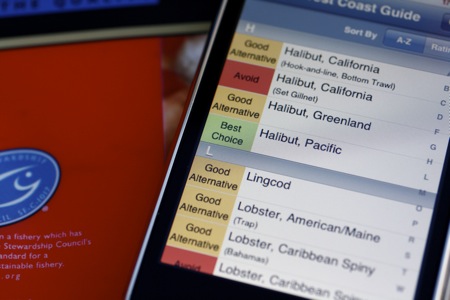
A Best Choice: Halibut, Pacific
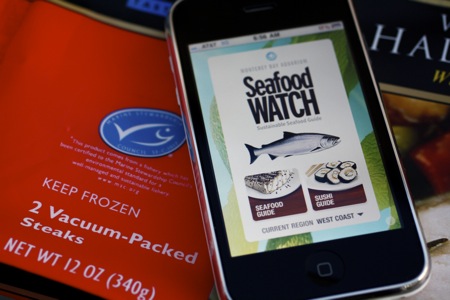
Seafood Watch App for Android and iPhone here.
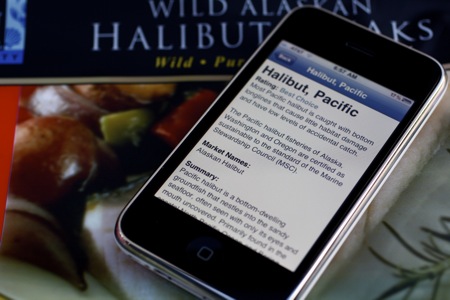
Halibut, Pacific
Rating: Best Choice
Most Pacific halibut is caught with bottom longlines that cause little habitat damage and have low levels of accidental catch.
The Pacific halibut fisheries of Alaska, Washington, and Oregon are certified as sustainable to the standard of the Marine Stewardship Council.
Market Name: Alaskan Halibut
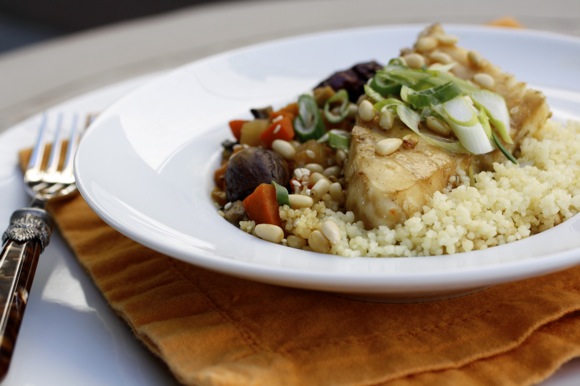
I have fallen in love with hansik – Korean Food. Here we employ the ingredients of the classic Korean Braised Short Rib Stew, Galbi Jim, and create a unique dish featuring sustainable Alaskan halibut.
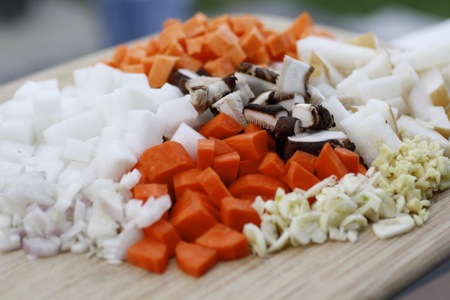
Daikon, Sweet Potato, Asian Pear, Shiitake, Carrot, Shallot, Garlic, Ginger
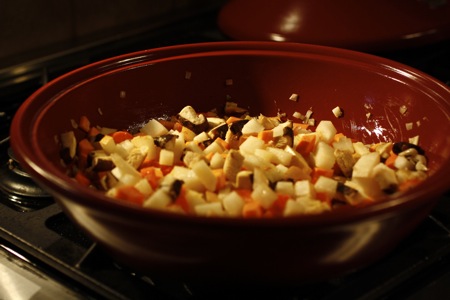
Sauté the vegetable mélange in a tagine with toasted sesame oil until softened.

Add 1/4 c. mirin, dried jujube (red date), and whole peeled & cooked chestnut.
Cook until mirin has reduced by half.
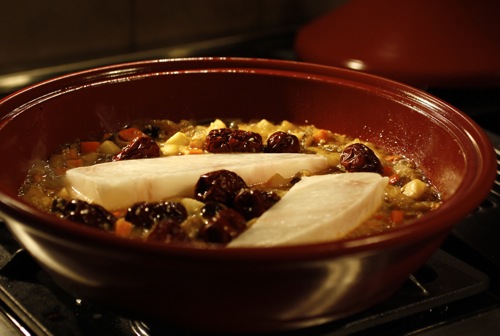
Add 1 c. dashi (or fish stock) and 1 1/2 T. low-sodium soy sauce. Bring to a boil.
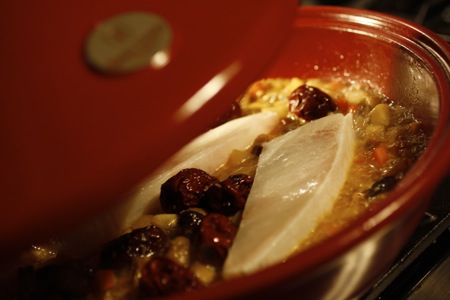
Add frozen halibut steaks. Cover tagine and simmer for 5 minutes.
Then turn off the heat and let the tagine sit, covered, for another 5 minutes
or so until the halibut is just cooked through.
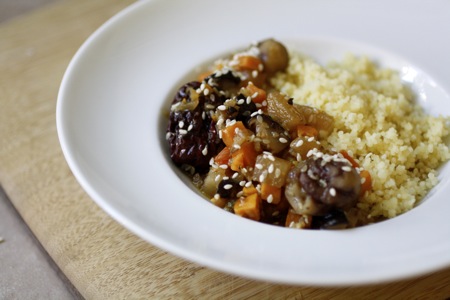
Place couscous and vegetable stew (with plenty of sauce) in a shallow dish. Top with halibut steak.
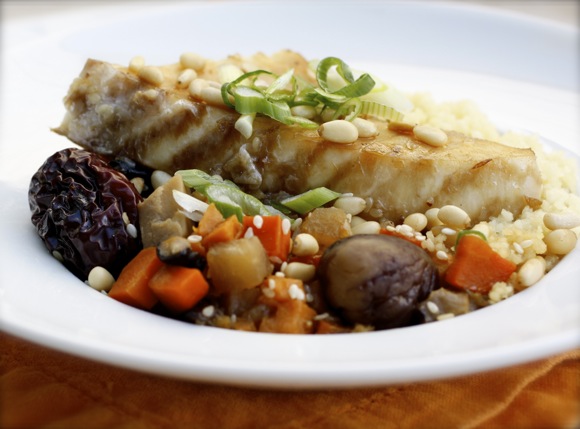
Garnish with sesame seed, sliced scallion, and pine nut.

Kudos to Lazaro & Natasha for choosing an excellent theme for this month’s cooking club!
Discover more from Taste With The Eyes
Subscribe to get the latest posts sent to your email.
I recently got an iphone, and one of the first apps I added was Fish Watch; so handy. Glad you featured it here.
This is great timing with your choice to use halibut; in season now. Our fish market has been getting in some beautiful fish. I will be heading over there this week to try this out; love all of the umami you have going on here.
Happy weekend!
Thanks Debi – and by-the-way the frozen halibut is quite good too! Great for a staple in the freezer! And can be cooked from frozen in minutes.
LL
For some reason, when it comes to fish braising is one of those techniques I often forget about. This looks fantastic though and makes me want to go out and buy a tagine. It’s also such a unique ingredient list that I never would have associated with Korean cooking so love that you’ve educated me on that.
Thanks Kelly – braising the frozen fish this way, really turns out great with little handling. Regarding Korean flavors – I am in love with our local Korean market, I’m a regular there now, and buy items I never heard of, just to experiment and learn. It continues to be a fun adventure.
LL
I love how you show the Seafood Watch app in your post–what a good idea! Love all of the global inspiration behind this dish. Delicious!
Hi Marisa – thank you. That idea came to me the next morning 🙂