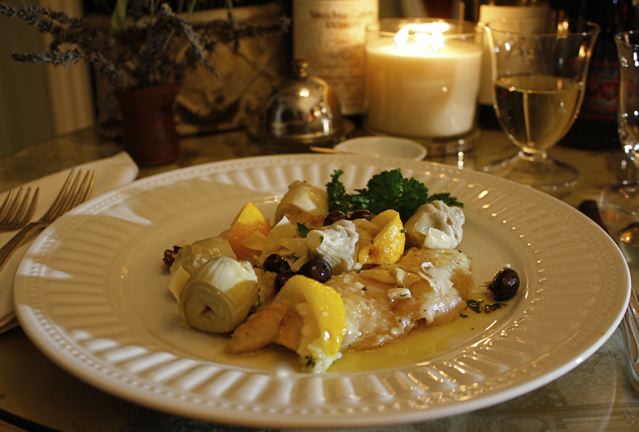
Tagine of Petrale Sole with Artichoke, Olive, Yuzu
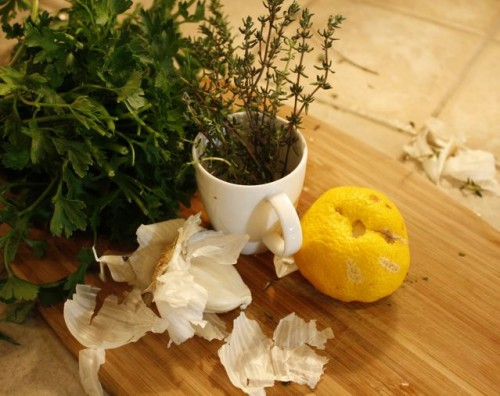
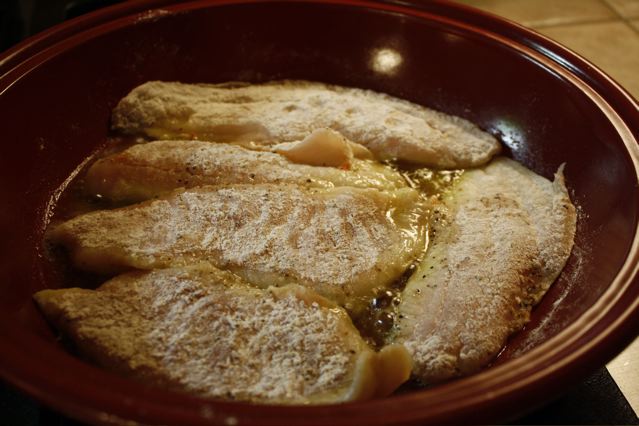
This fragrant dish is flavored with Italian parsley, thyme, garlic and yuzu (a Japanese citrus).
Continue reading “Tagine of Petrale Sole, Artichoke and Olive”
where the image is meant to titillate and inspire the cook

Tagine of Petrale Sole with Artichoke, Olive, Yuzu
This fragrant dish is flavored with Italian parsley, thyme, garlic and yuzu (a Japanese citrus).
Continue reading “Tagine of Petrale Sole, Artichoke and Olive”
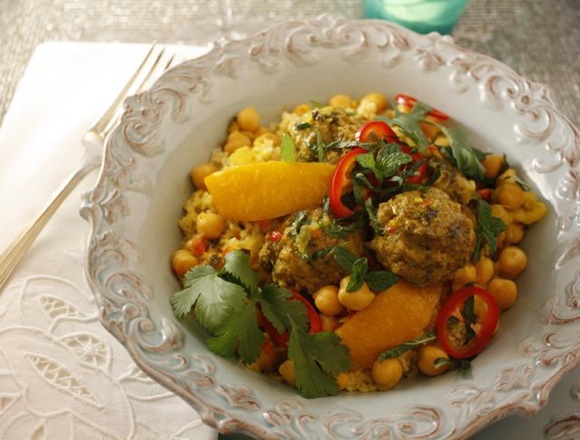
Tagine of Spicy Lamb Meatballs
With Chickpeas and Yuzu
Served Over Couscous
Garnished with Red Chile, Cilantro, and Mint
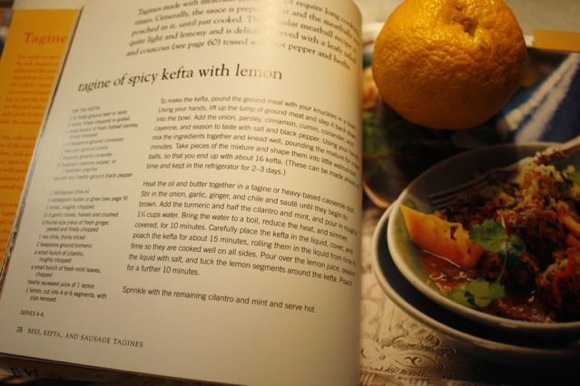 The inspiration for this awesome recipe came from the little cookbook, TAGINE: Spicy Stews from Morocco, by Ghillie Basan. They used this dish for the photo on the cover of the book. It looked so tasty, within minutes of pulling this book off the shelf, I was off to the butcher for some fresh ground lamb. And since my yuzu tree is full of ripe fruits, I decided to use yuzu (a Japanese citrus) in place of the lemon in Ghillie’s recipe. I made some other changes to her basic recipe, including the omission of butter and the addition of chickpeas. With all the spices, herbs and citrus, this dish is a real winner.
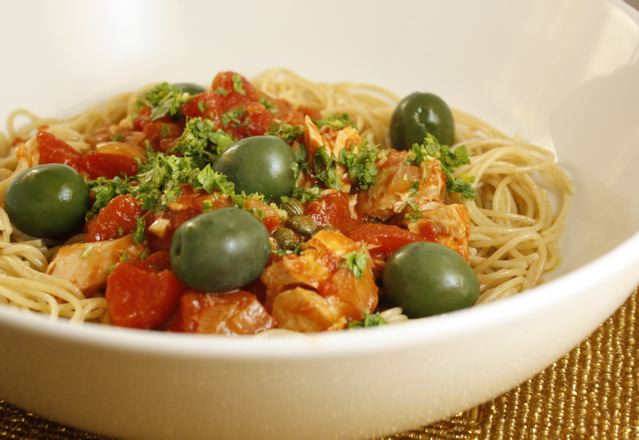
HEART HEALTHY AND DELICIOUS!
Whole Wheat Thin Spaghetti
Omega-3 Rich Albacore Tuna Sauce
with Tomato, Caper, and Anchovy
Yuzu Chervil Gremolata
Green Olive Garnish
NATIONAL WEAR RED DAY
Beginning with National Wear Red Day—Friday, February 5, 2010—millions will help spread the critical message that “Heart Disease Doesn’t Care What You Wear.” The Red Dress, the national symbol for women and heart disease awareness, was created by The Heart Truth® in 2002 to deliver an urgent wakeup call to American women. Everyone can participate in the national movement by wearing their favorite red dress, shirt, tie, or Red Dress Pin.
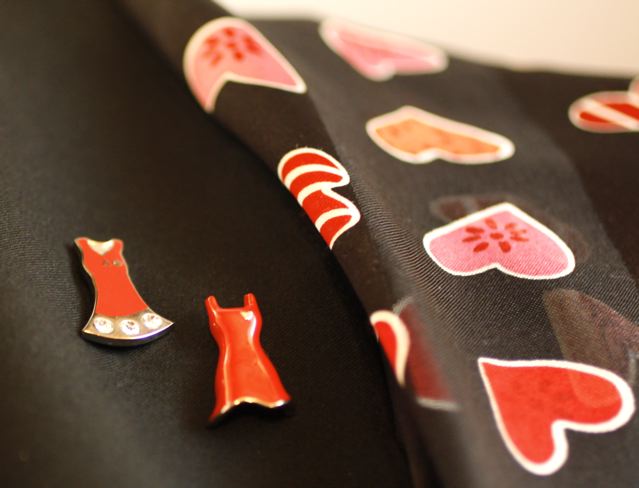
On Thursday, February 11, 2010, The Heart Truth will bring the Red Dress to life once again on the runway at New York Fashion Week with the debut of the Red Dress Collection 2010. This spectacular event reminds women of the need to protect their heart health and inspires them to take action. Read more about The Heart Truth here.
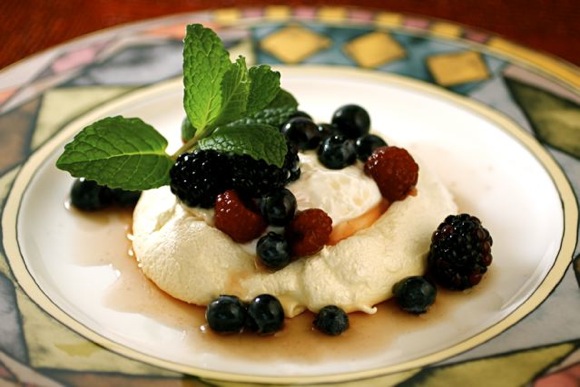
PAVLOVA
Blueberry, Raspberry, and Blackberry
in Chai Lavender Syrup
Greek Yogurt and Mint

ANNA PAVLOVA
In the Fokine/Saint-Saëns
The Dying Swan
Saint Petersburg, 1905
Anna Pavlova (February 12, 1881 – January 23, 1931) was a Russian ballerina of the late 19th and the early 20th century. She is widely regarded as one of the most famous and popular classical ballet dancers in history. Pavlova is most recognized for the creation of the role The Dying Swan. She would become the first ballerina to tour ballet around the world.
Inspired by swans that she had seen in public parks and Alfred, Lord Tennyson’s poem “The Dying Swan,” Anna Pavlova asked Michel Fokine to create a solo ballet for her for a 1905 concert. Fokine suggested Saint-Saëns’s cello solo, Le Cygne, as the work’s musical basis and Pavlova agreed.
Years later, while touring in The Hague, Netherlands, Pavlova was told that she had pleurisy and needed an operation. She was also told that she would never be able to dance again if she had this operation. She refused to have the operation saying “If I can’t dance then I’d rather be dead.”
Three weeks later she died of pleurisy, just short of her 50th birthday. She was holding her costume from The Dying Swan when she spoke her last words, “Play the last measure very softly.”
In accordance with old ballet tradition, on the day she was to have next performed, the show went on as scheduled, with a single spotlight circling an empty stage where she would have been.

Pavlova is a meringue-based dessert named after Ánna Pávlova.
The dessert is believed to have been created to honor the dancer during one of her tours to Australia and New Zealand in the 1920s. Exactly where it was created, and the nationality of its creator, have been a source of argument between the two nations for many years. (from wikipedia here and here)
Pavlova Recipe

Beat 3 large egg whites with 1/8 t. cream of tartar at medium speed until frothy. Beat in 3/4 c. sugar, one tablespoon at a time.

The meringue should be thick and glossy.

Spoon the meringue onto a baking sheet lined with parchment paper.

Use the back of a spoon to make wells or indentations in the meringue to hold the yogurt. Bake in a 250° oven for one hour. Then turn off the oven and let cool in the oven for one hour.

Combine 1/2 c. sugar with 1/2 c. water in a sauce pan, bring to a boil then remove from heat. Add a Chai tea bag and 1/4 t. lavender buds. Let stand 10 minutes, then strain into a bowl. Let cool then toss berries in the syrup.

We filled the meringues with non-fat Greek yogurt, then topped with berries, syrup and fresh mint. Most pavlovas are topped with whipped cream, but since we used non-fat Greek yogurt, this dessert falls into the heart-healthy category. No fat, no cholesterol, and healthful anti-oxidants in the berries too, it makes a gorgeous wholesome dessert for entertaining.

We served this dessert at our Porchetta Party. Light and airy and refreshing, it was a beautiful complement to our dinner.

I want to extend a special thank you to my dear friend Chef Allison for preparing the pavlovas. They were absolutely stunning!
This delightful recipe was inspired by one in Food & Wine Magazine February 2010 issue, or can be found on-line here.