
Crudo vs. Tataki

Crudo vs. Tataki

Crudo vs. Tataki

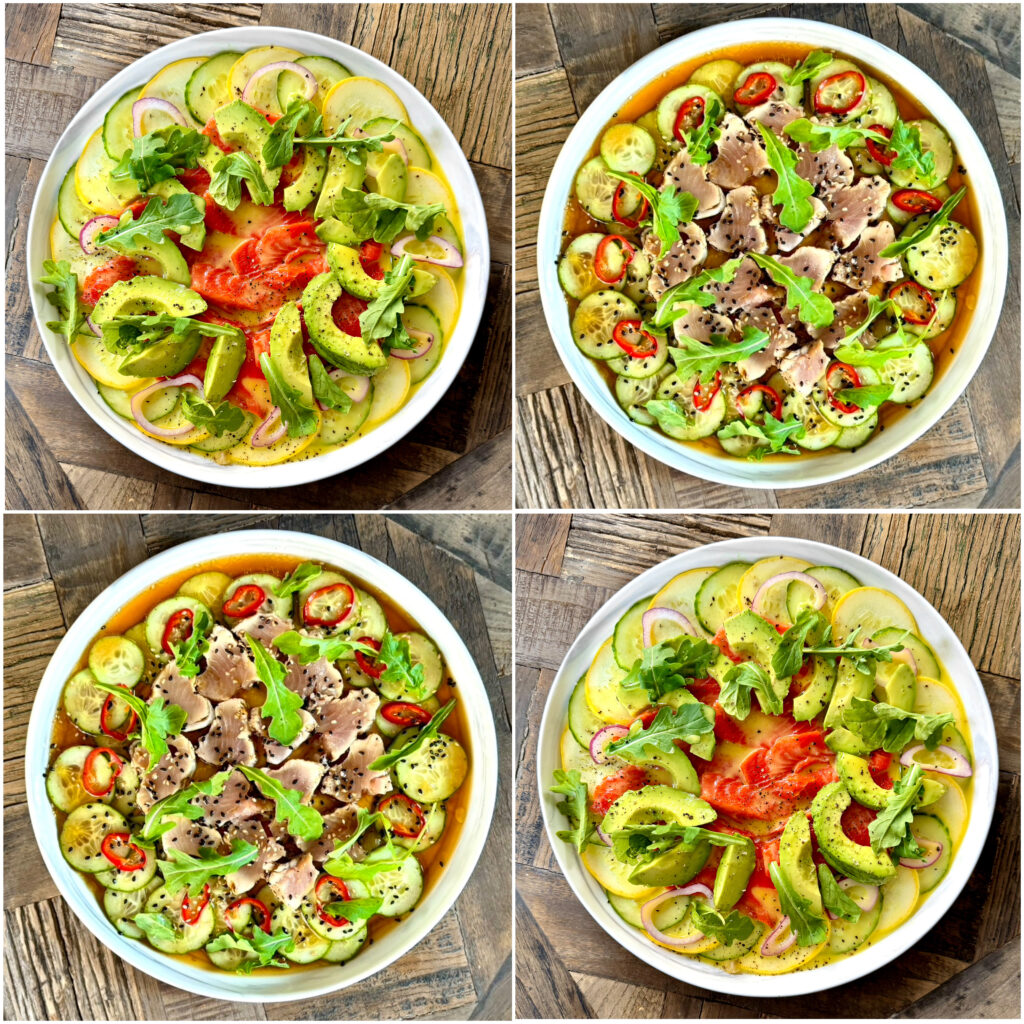
Sockeye Salmon Crudo, Albacore Tuna Tataki

Crudo is an Italian preparation that means “raw.” It showcases premium seafood served completely uncooked and chilled. Thin slices of fish are lightly dressed—often with olive oil, citrus juice, and salt—to highlight their natural flavor. The focus is on clean, delicate taste and freshness, with accompaniments playing supportive roles the seafood itself.

Tataki comes from Japan and involves a quick sear rather than leaving the fish entirely raw. The exterior is briefly cooked over high heat, creating a smoky, caramelized crust while keeping the center cool and mostly raw. After searing, the fish is sliced and served with sauces such as ponzu or soy, and crisp garnishes like daikon (or cucumber), which enhance the flavor and texture while letting the contrast between the seared exterior and tender interior shine.

Together, crudo and tataki show two distinct ways to let high-quality seafood take center stage…

Crudo vs. Tataki Recipes

Continue reading “Crudo vs. Tataki”

Swordfish Milanese, Pickled Cherry Pepper Sauce

Swordfish Milanese, Pickled Cherry Pepper Sauce

Crispy Breaded Swordfish
Pickled Cherry Pepper Sauce with Dijon Mustard and Garlic, Arugula Salad

Swordfish Milanese combines the best parts of a classic Italian breaded cutlet with the firm, meaty texture and clean flavor of swordfish, which stays juicy when pounded thin and pan-fried. The crisp golden crust contrasts beautifully with the hearty fish, which holds up well to bold toppings or sauces. Paired with a bright lemony arugula salad, and a lively cherry pepper sauce, it feels hearty yet fresh—special but unfussy.

The cherry pepper sauce adds a tangy-sweet kick with gentle heat from sweet pickled cherry peppers, warmth from sautéed garlic, and a touch of Dijon for sharpness. Vermouth brings a fragrant note, while chicken stock ties it all together, creating a zesty, balanced sauce that wakes up every bite.

Swordfish Milanese, Pickled Cherry Pepper Sauce

Swordfish Milanese, Cherry Pepper Sauce Recipe

Continue reading “Swordfish Milanese, Pickled Cherry Pepper Sauce”

Spicy Grilled Swordfish with Tobiko

Spicy Grilled Swordfish with Tobiko

Spicy Grilled Swordfish with Tobiko
Chili Oil, Soy Sauce, Sesame Oil, Lemon
Whole Grilled Jalapeño

Grilled swordfish, with its firm, meaty texture and clean, mildly sweet flavor, holds up beautifully to bold sauces. The char adds depth and a hint of smokiness, creating a sturdy base for layers of seasoning and contrast. Paired with a chili oil–soy sauce brightened by fresh lemon juice, the fish takes on a new dimension—rich with umami, balanced by heat, and sharpened by citrus.

The sauce blends savory soy, warming chili oil, bright lemon, and a touch of toasty sesame oil. The citrus cuts through the richness, adding lift and clarity while enhancing the natural flavor of the fish.

Tobiko (flying fish roe) makes a striking final addition. Scattered over the sauced fish, the roe brings vivid red-orange color and delicate texture—tiny cool pearls that pop against the heat and meatiness of the swordfish. Its clean brininess mirrors the ocean, while its crunch offers a satisfying contrast to the fish’s tenderness.

Thinly sliced cucumber and radish add a crisp, refreshing contrast to the meaty fish, grilled jalapeño, and spicy citrus-soy drizzle. The result is a layered, balanced dish—smoky, spicy, citrusy, savory, and sea-bright—with each component enhancing the next while allowing the swordfish to shine.

Spicy Grilled Swordfish with Tobiko Recipe

Continue reading “Spicy Grilled Swordfish with Tobiko”

Pan-Seared Halibut Cheeks, Lemony Quinoa with Garbanzos

Pan-Seared Halibut Cheeks, Lemony Quinoa with GarbanzosPan-Seared Halibut Cheeks
Lemony Quinoa with Garbanzos

When it comes to a special ingredient like halibut cheeks, it’s best to keep the recipe simple and let the product shine.

Halibut cheeks are a prized cut of the fish, often considered the most tender and flavorful part. They come from the small, rounded muscle beneath each eye of the halibut—an area the fish uses to move its jaw. Because halibut are large, flat-bodied fish, their cheeks are more substantial than most, yielding thick, scallop-like medallions that are especially sought after by chefs and seafood lovers.

The texture of halibut cheeks is one of their most appealing qualities. They’re firm yet tender, with a natural flake that’s finer and more delicate than the fillet. They have a slightly sweet, mild flavor—clean and refined, but with more succulence than the rest of the fish. Some compare them to scallops for their texture and sweetness, but halibut cheeks have a character all their own.

Cooking halibut cheeks is simple, and best when techniques highlight their delicacy. A quick pan-sear in butter and olive oil with a splash of lemon is all they need. Halibut cheeks are a treat that rewards minimalism and careful preparation.

Pan-Seared Halibut Cheeks Recipe

Continue reading “Pan-Seared Halibut Cheeks, Lemony Quinoa with Garbanzos”

Grilled Albacore, Sesame Ponzu

Grilled Albacore, Sesame Ponzu

Grilled Albacore with Sesame Ponzu
Cucumber, Fresh Herbs, Serrano Chile

Albacore offers a mild, slightly sweet flavor that’s much more delicate than other tunas. Grilling enhances its natural savoriness while letting its clean taste shine. The loin is firm yet tender, and just 60 seconds per side is enough to create a beautifully seared crust while leaving the center silky and moist.

A simple four-ingredient sesame ponzu brings umami, citrus, and depth. And even when grilled for only two minutes, the fish still picks up a bold smokiness that adds real character.

Cilantro, mint, and chives keep it vibrant and fresh, serrano chile brings the heat, while crisp cucumber adds texture and a refreshing coolness.

Grilled Albacore Recipe

Continue reading “Grilled Albacore, Sesame Ponzu”